10 Best Foods to Help Lower Cholesterol Naturally
High cholesterol is a common health concern, and the foods you eat can play an important role in supporting healthy cholesterol levels and overall heart health. While food alone may not replace medical treatment when it is needed, choosing more fiber-rich foods and healthy fats can be a helpful part of a heart-healthy lifestyle.
Many delicious everyday foods—including oats, beans, fruits, vegetables, nuts, seeds, and fatty fish—can support healthier eating patterns. The key is to focus on foods rich in soluble fiber, unsaturated fats, and other beneficial nutrients while limiting excessive saturated and trans fats.
In this guide, we’ll explore 15 of the best foods that may help support healthy cholesterol levels naturally, along with simple ways to add them to your daily meals.

Table of Contents
- Oats and Oatmeal
- Beans
- Lentils
- Fatty Fish
- Avocados
- Almonds
- Walnuts
- Apples
- Berries
- Olive Oil
- Frequently Asked Questions
- Conclusion
1. Oats and Oatmeal
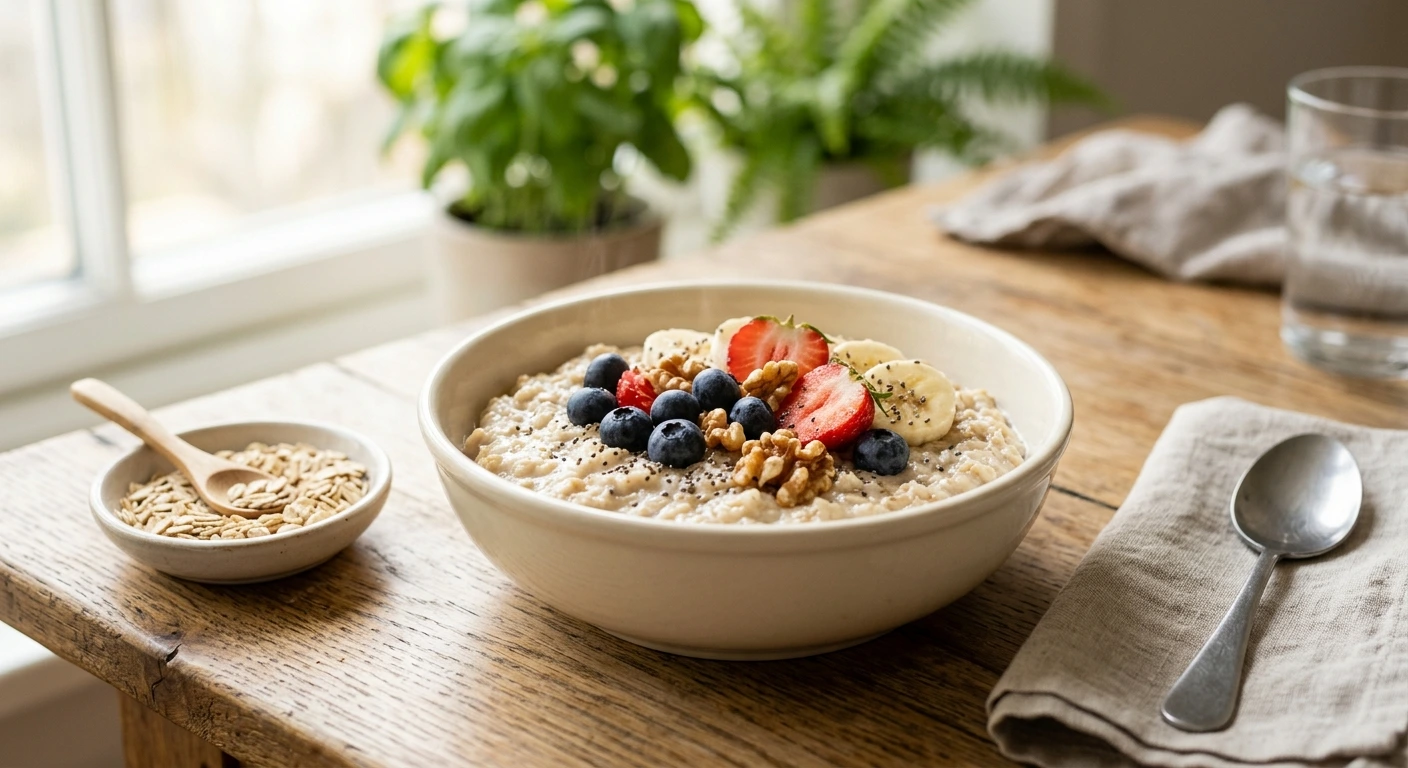
Oats are one of the most popular foods for a cholesterol-friendly diet. They contain soluble fiber, including beta-glucan, which can support healthy cholesterol levels as part of a balanced diet.
A warm bowl of oatmeal is an easy way to start your day. You can make it even more nutritious by adding fresh berries, banana slices, walnuts, or chia seeds.
Easy Ways to Eat Oats
- Enjoy oatmeal for breakfast.
- Add oats to smoothies.
- Make overnight oats.
- Use oats in homemade energy snacks.
- Add oat-based ingredients to baked recipes.
2. Beans
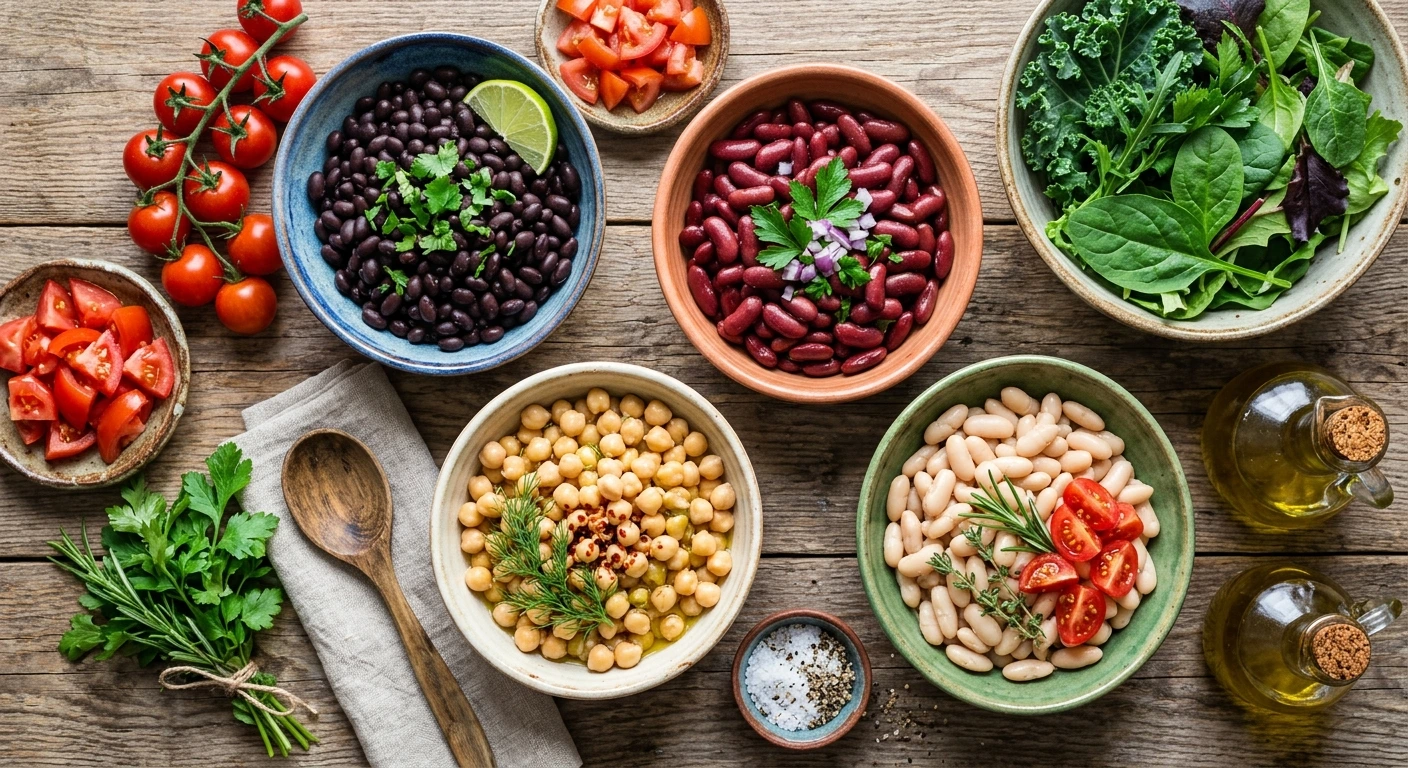
Beans are a nutritious source of plant-based protein and fiber. They are naturally low in saturated fat and can be a filling addition to a heart-healthy diet.
You can also read:
Easy Dill Pickle Pasta Salad – A Delicious Summer Delight Everyone Will Love
Popular choices include black beans, kidney beans, navy beans, and chickpeas.
Try adding beans to soups, salads, wraps, and rice bowls.
3. Lentils
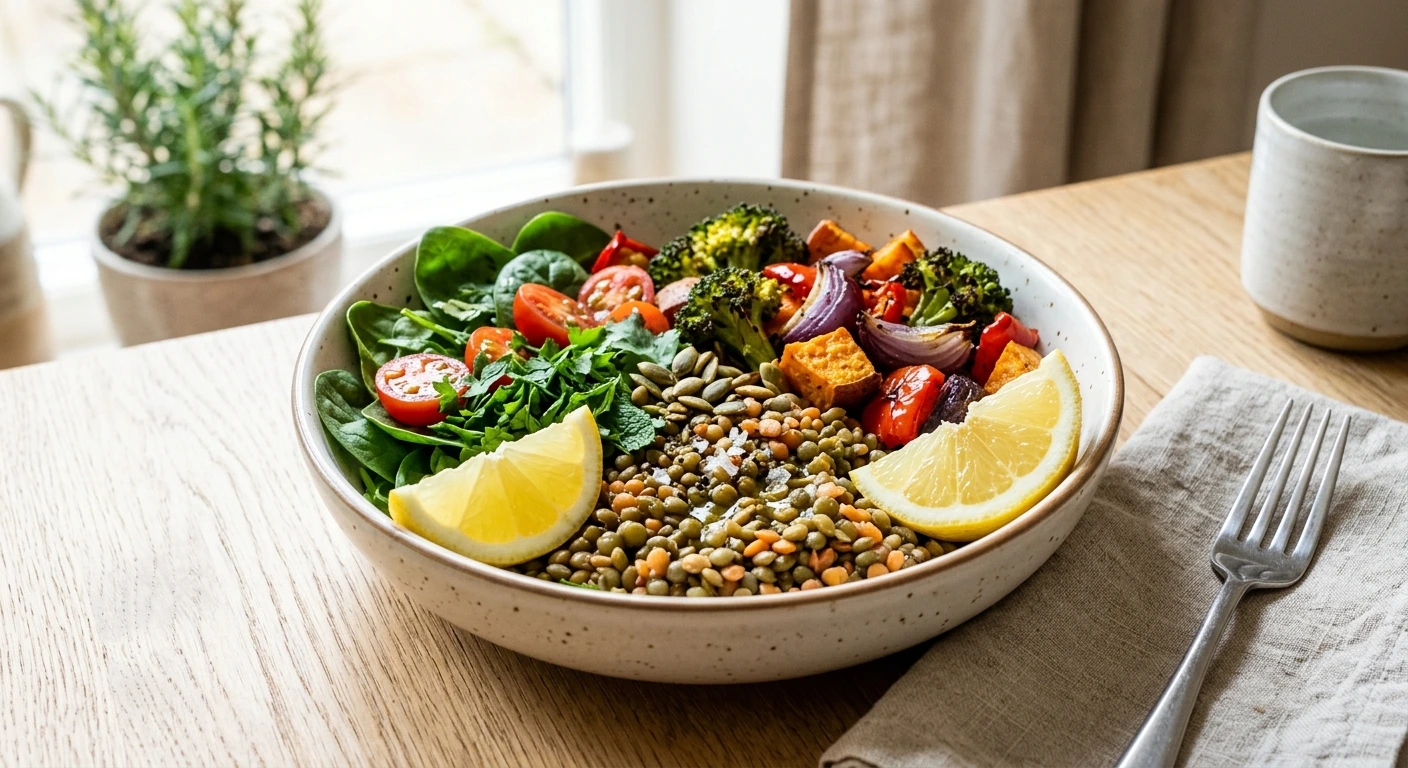
Lentils are another excellent plant-based food rich in fiber and protein. They are affordable, versatile, and easy to include in many meals.
You can use lentils in soups, curries, salads, and grain bowls.
4. Fatty Fish
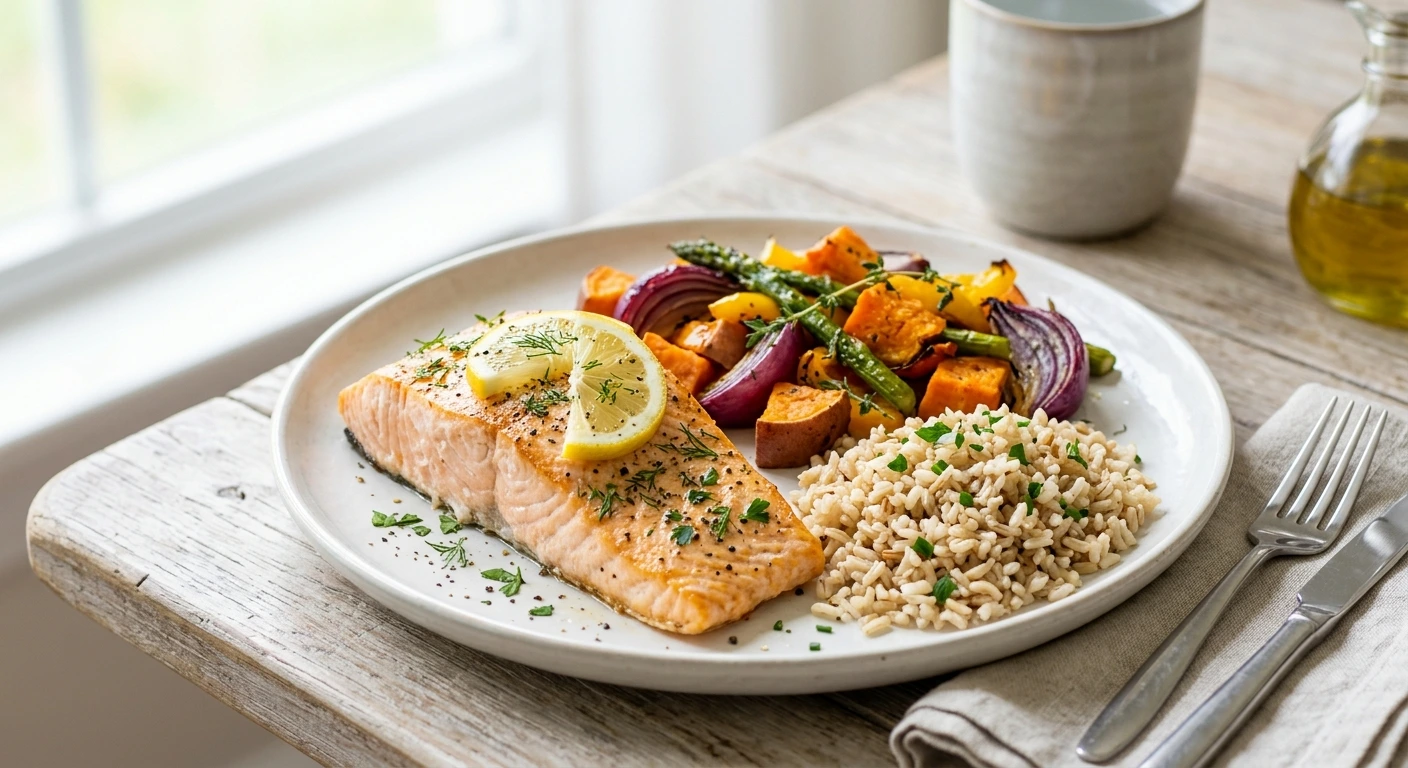
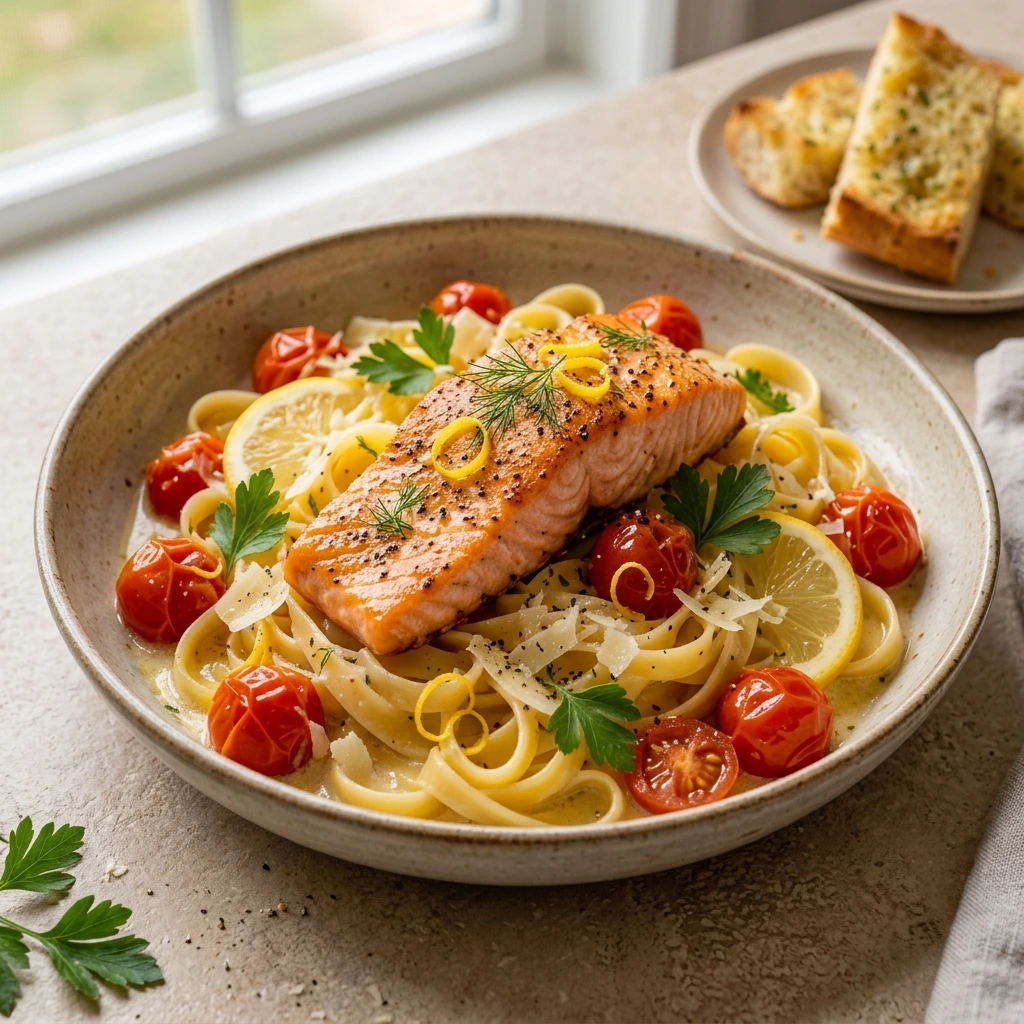
Fatty fish such as salmon, sardines, trout, and mackerel can be valuable additions to a heart-healthy eating pattern.
These fish contain beneficial omega-3 fatty acids. Baking or grilling fish can be a healthier alternative to deep frying.
Great Options
- Salmon
- Sardines
- Mackerel
- Trout
- Herring
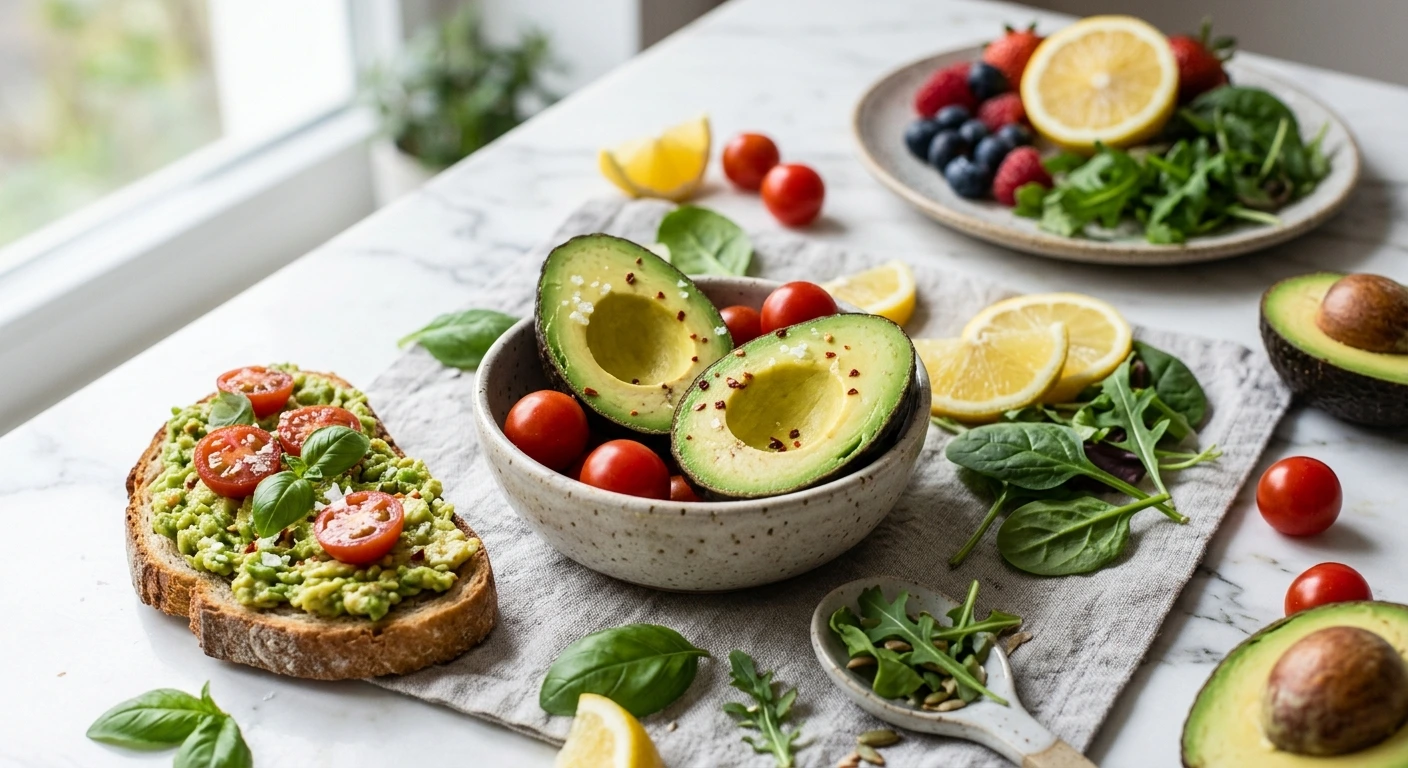
5. Avocados
Avocados are rich in unsaturated fats and can be a delicious addition to many meals.
Try using avocado instead of higher-saturated-fat spreads in certain dishes. Add it to sandwiches, salads, wraps, and whole-grain toast.
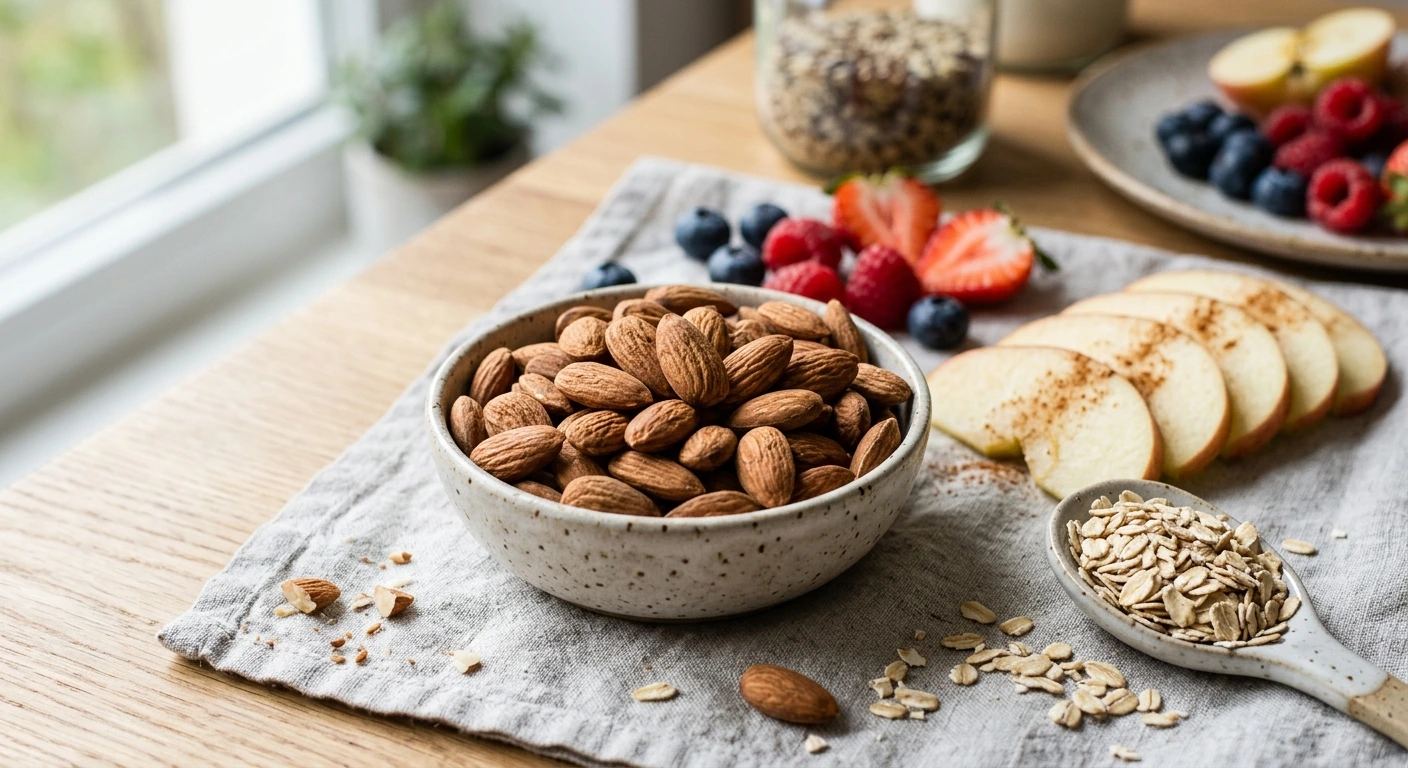
6. Almonds
Almonds make a convenient and satisfying snack. They contain healthy unsaturated fats and can fit into a balanced heart-friendly diet when eaten in appropriate portions.
Add almonds to oatmeal, yogurt, salads, or enjoy a small handful as a snack.
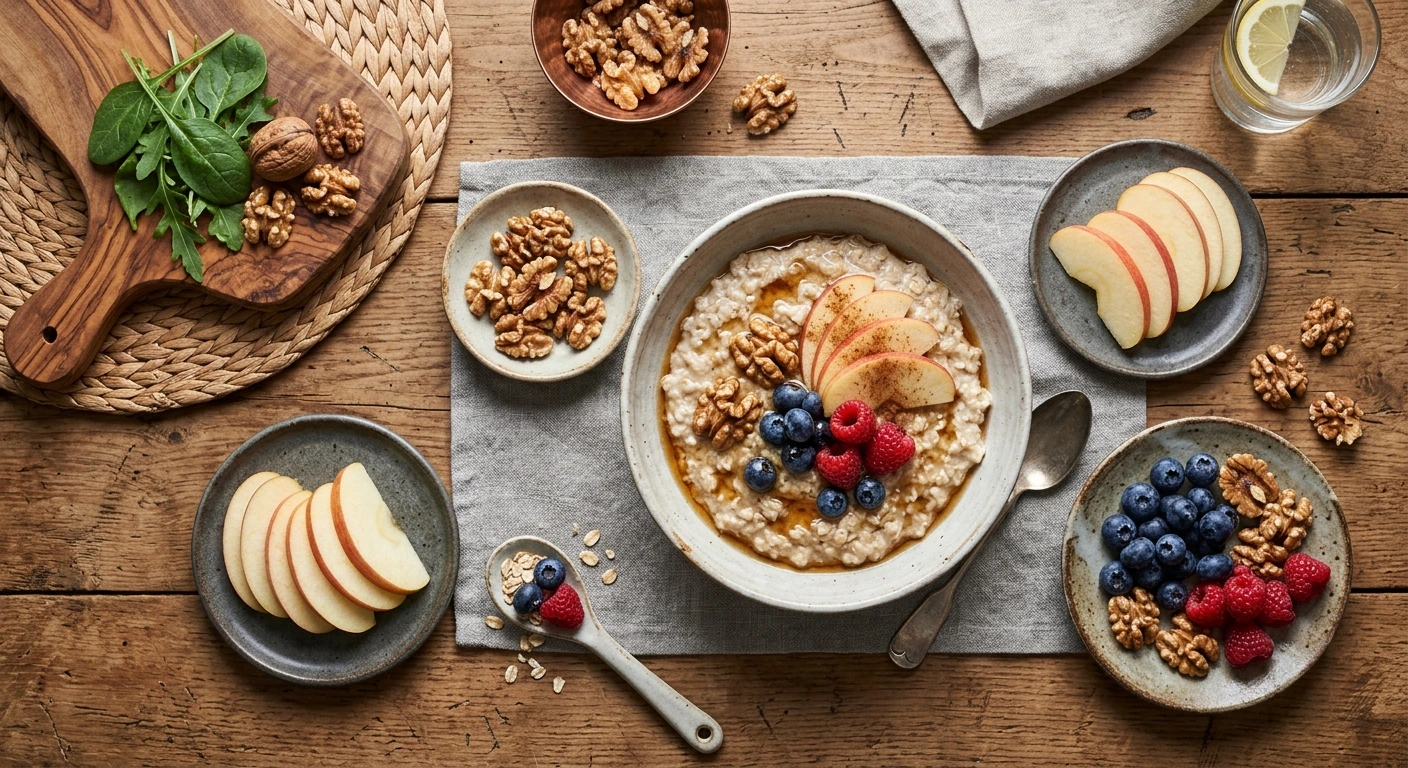
7. Walnuts
Walnuts are another popular nut that can be part of a nutritious diet. Their rich texture makes them perfect for both sweet and savory recipes.
Try sprinkling walnuts over oatmeal, yogurt, salads, or roasted vegetables.
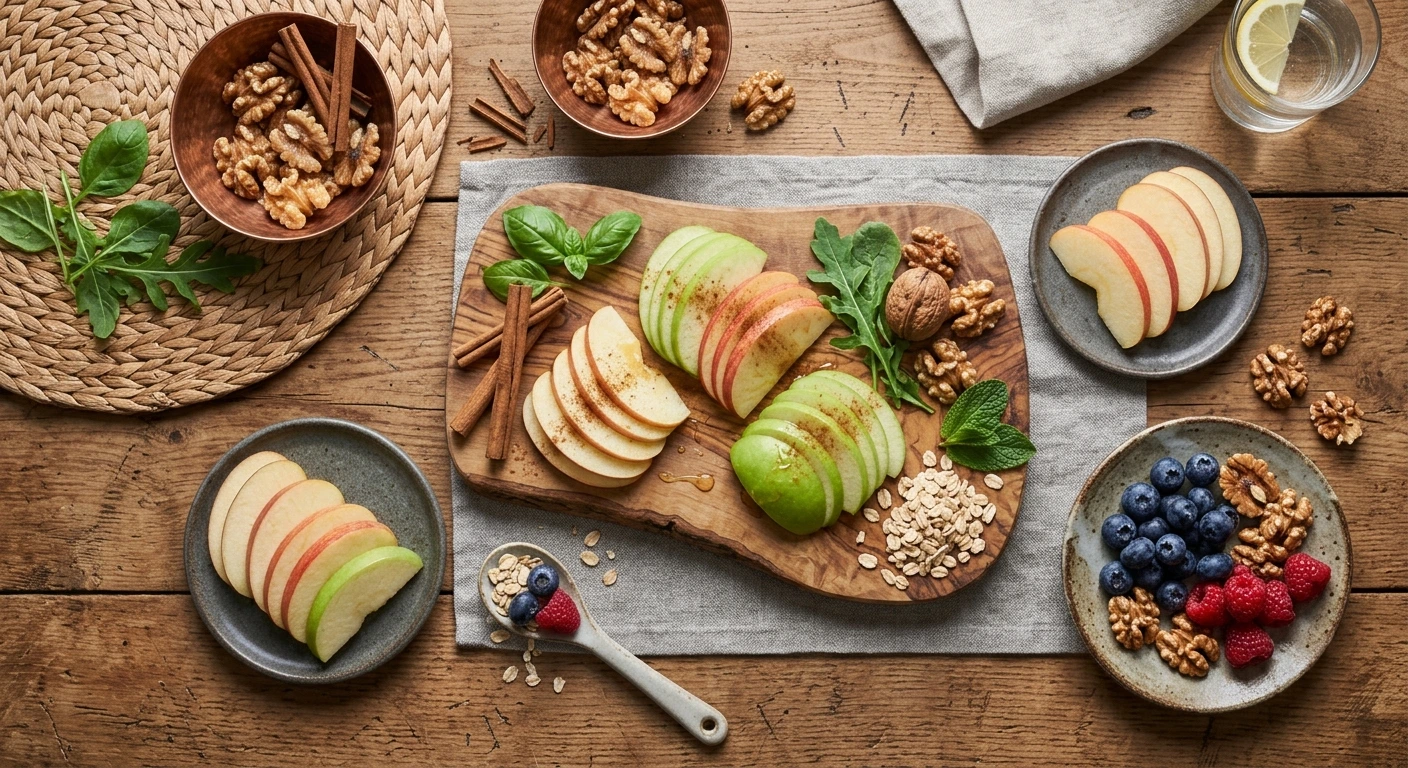
8. Apples
Apples are a delicious source of dietary fiber and make an easy snack for busy days.
Enjoy them whole, sliced with a small amount of nut butter, or added to oatmeal and salads.
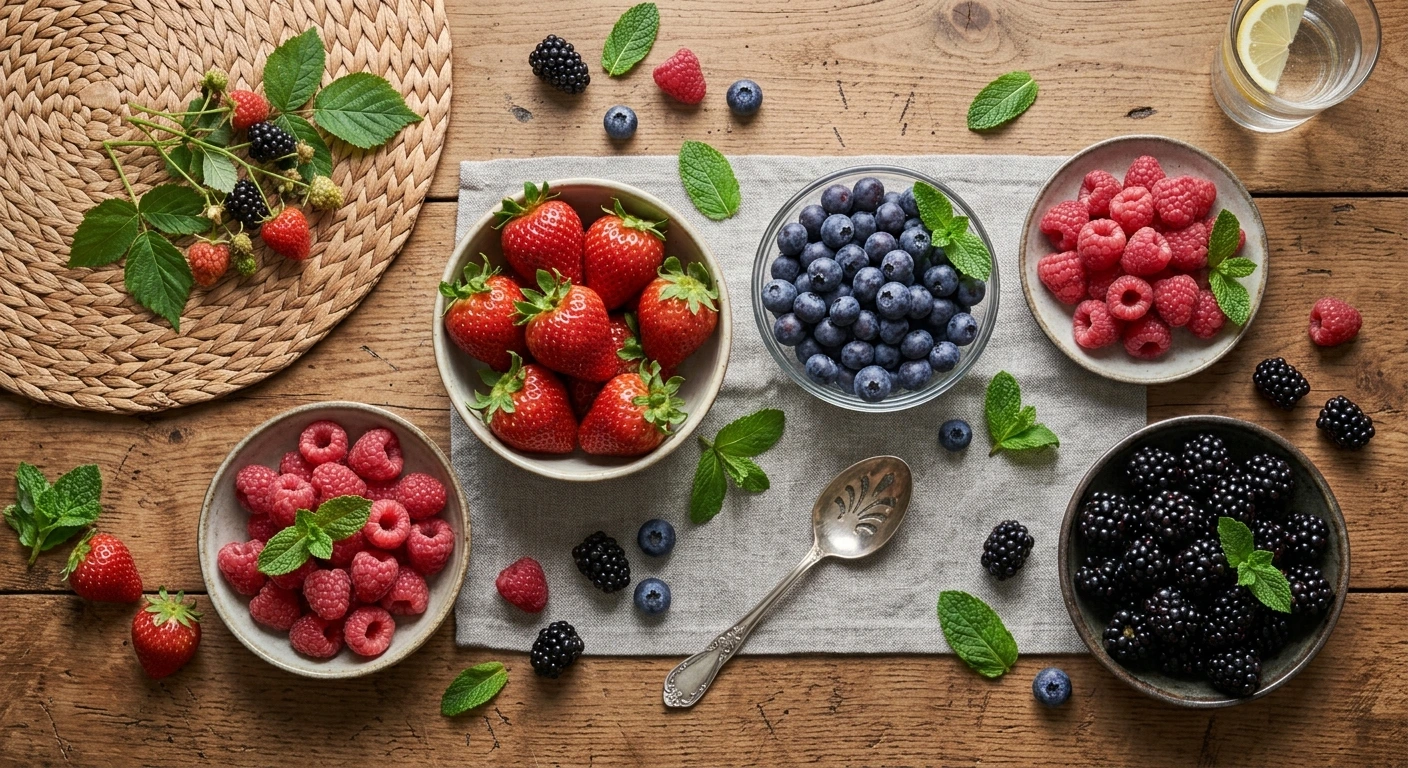
9. Berries
Berries are naturally colorful, delicious, and packed with beneficial nutrients. Strawberries, blueberries, raspberries, and blackberries are easy to add to a balanced diet.
Add berries to yogurt, oatmeal, smoothies, and healthy desserts.
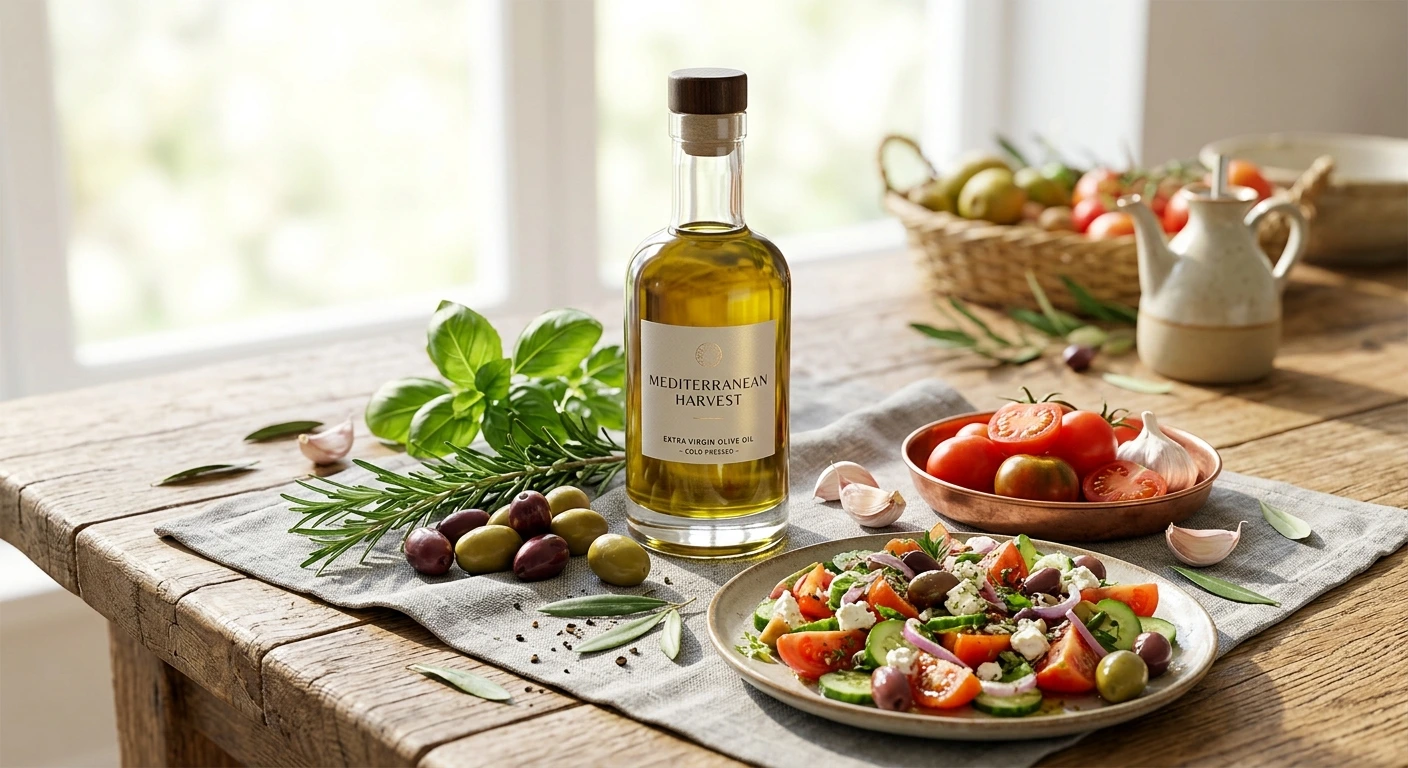
10. Olive Oil
Olive oil is a popular source of unsaturated fat and can be used in place of certain fats higher in saturated fat.
Use it for salad dressings, roasting vegetables, and light cooking.
Foods to Limit for Better Cholesterol Management
A heart-healthy diet is not only about adding nutritious foods. It can also help to reduce foods that are high in saturated fats and avoid trans fats.
Consider limiting excessive amounts of:
- Deep-fried foods
- Highly processed snacks
- Processed meats
- Foods high in trans fats
- Large amounts of butter
- Some high-saturated-fat foods
- Excessively sugary processed foods
Instead, focus on whole foods, fruits, vegetables, fiber-rich ingredients, lean proteins, and healthy sources of unsaturated fats.
You can also read:
Easy Dill Pickle Pasta Salad – A Delicious Summer Delight Everyone Will Love
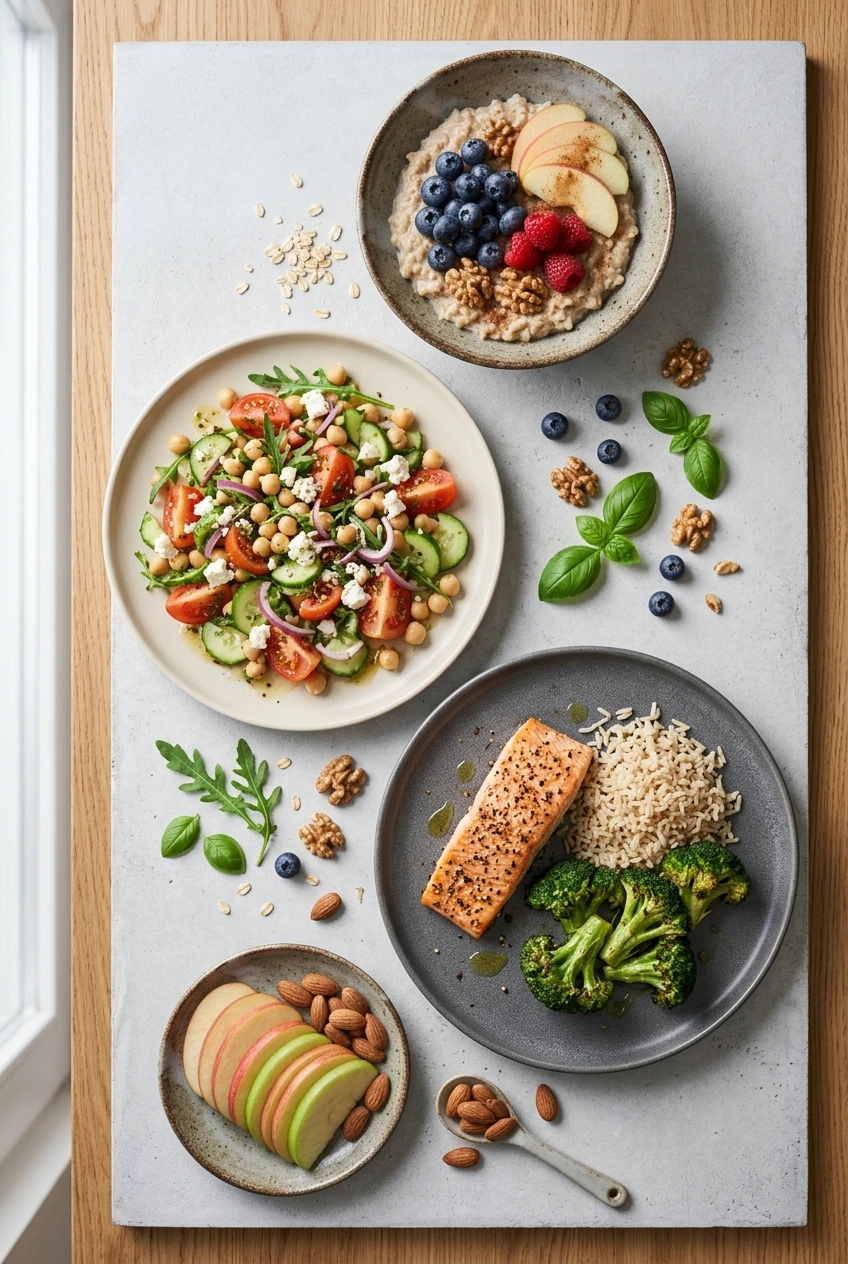
Simple Heart-Healthy Meal Ideas
Breakfast
Start your day with oatmeal topped with berries, banana slices, and walnuts.
Lunch
Enjoy a colorful chickpea and vegetable salad with olive oil and lemon dressing.
Dinner
Try baked salmon with brown rice and steamed broccoli.
Snack
Choose an apple with a small handful of almonds or walnuts.
Making small improvements to your meals can help create a healthier overall eating pattern.
Frequently Asked Questions
What foods are best for supporting healthy cholesterol levels?
Foods rich in soluble fiber and unsaturated fats can be helpful as part of a balanced diet. Popular choices include oats, beans, lentils, fruits, vegetables, nuts, seeds, olive oil, and fatty fish.
Can oats help with cholesterol?
Oats contain soluble fiber, including beta-glucan, and are commonly included in heart-healthy eating patterns.
Are eggs bad for cholesterol?
Eggs can fit into many balanced diets, but individual dietary needs can vary. People with high cholesterol or other health conditions should discuss their diet with a qualified healthcare professional.
Which fruits are good for a cholesterol-friendly diet?
Apples, berries, oranges, pears, and grapes are all nutritious fruit choices that can provide fiber and other beneficial nutrients.
Are nuts good for cholesterol?
Nuts such as almonds and walnuts contain unsaturated fats and can be part of a heart-healthy diet when eaten in reasonable portions.
What foods should I avoid if I have high cholesterol?
It may be helpful to limit foods high in trans fats and excessive saturated fats, including some heavily processed and deep-fried foods.
Can diet alone lower cholesterol?
Diet can play an important role in supporting healthy cholesterol levels, but some people may also need medication or other medical treatment. A healthcare professional can provide personalized advice.
Conclusion
Making heart-healthy food choices does not mean giving up delicious meals. Many everyday foods—including oats, beans, lentils, fruits, vegetables, nuts, seeds, olive oil, and fatty fish—can be part of a balanced eating pattern that supports healthy cholesterol levels.
Start with small changes. Add more fiber-rich foods to your meals, choose healthy sources of unsaturated fats, eat plenty of colorful fruits and vegetables, and reduce heavily processed foods when possible.
Remember that everyone’s health needs are different. If you have high cholesterol or another medical condition, speak with a qualified doctor or registered dietitian for advice tailored to your individual needs.
Disclaimer: This article is for general educational purposes only and should not replace professional medical advice, diagnosis, or treatment.




Leave a Reply